


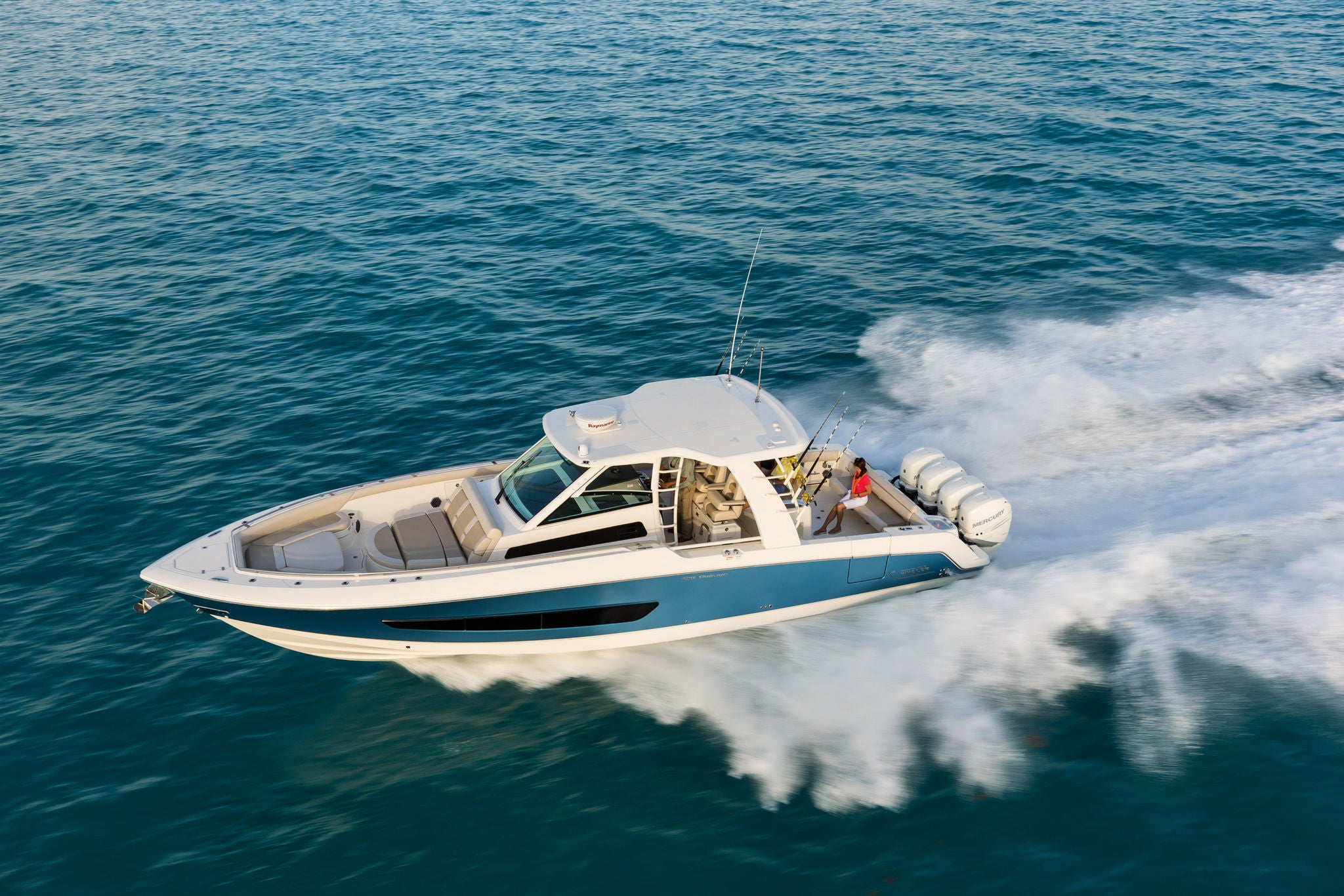
Choose the Right Life Jacket for Safety
The information provided is for general informational purposes only. This information is based on the author’s personal experience and does not constitute financial or legal advice. You should consult with a professional and/or conduct your own independent research to verify any information in this post prior to making a financial decision or otherwise.
Choose the Right Life Jacket (PFD) for Boating Safety
Let’s talk about the real MVP of boating safety—not your GPS, not your depth finder, not even your shiny new radar system. It’s the life jacket. Your PFD (Personal Flotation Device) quietly does the most heroic job of all: keeping you and your passengers afloat.
Whether you’re carving wakes behind a boat, casting a line in the deep blue, or just cruising your favorite inland lake, choosing the right life jacket—and actually wearing it—isn’t just smart. It’s essential.
Why Life Jackets Really Matter
Having life jackets onboard and having easy access to them in the event of an emergency is crucial for every boating trip.
What the Law Says (and Why You Should Care)
- One life jacket per person is federally required on your boat. No exceptions.
- Kids must wear life jackets—though age requirements vary by state.
- You, the captain, are responsible for making sure everyone’s got a properly sized and functioning PFD.
Understanding Life Jackets: Types, Tech & Fit
Choosing a PFD isn’t one-size-fits-all. There are different designs for different adventures.
PFD Classifications: What They're Made Of
Inherently Buoyant: Classic foam vests—rugged, reliable, ready at a moment’s notice.
Inflatable: Lightweight and comfy. Inflates when you hit the water or pull a cord.
Hybrid: A blend of both. More comfort, more float.
Life Jacket Types
Type I – Offshore Life Jackets
Most buoyant (20+ lbs.)
Designed to flip an unconscious person face-up
Best for: Open ocean, rough seas, far-from-help scenarios
Think: Cruise ship emergency vests
Type II – Near-Shore Vests
Buoyancy: 15.5 lbs.
Great for lakes, rivers, or anywhere near shore
Won’t always flip an unconscious person
Ideal for: Recreational boaters in calm water
Type III – Flotation Aids
Super comfy and flexible
Used for active sports: kayaking, skiing, tubing, etc.
Buoyancy: 15.5 lbs.
Not designed for unconscious flipping
Best for: Confident swimmers close to help
Type IV – Throwable Devices
Not worn—tossed to someone overboard
Includes ring buoys, cushions, and horseshoe floats
Must be kept within easy reach
Backup only—not a replacement for a real-life jacket
Type V – Special-Use Devices
Activity-specific (think whitewater rafting or windsurfing)
Often required on commercial or pro vessels
Must be worn as labeled to count
Great when you're doing something niche or high-risk
Fit Check: Is Your Life Jacket Doing Its Job?
Wearing a PFD? Good. But does it actually fit? Here’s how to make sure:
Snug, not suffocating: Buckles should clip easily, but the vest shouldn’t float up to your chin.
Inflatables: Wrap it close to the torso—you should fit a closed fist between it and your chest.
Water Test: Lie back in water. If your mouth isn’t comfortably above the surface… you need more buoyancy.
Taking Care of Your Life Jacket
Rinse off salt, sand, or grime with mild soap and water.
Dry it fully before storing—wet gear leads to mildew.
Inspect often: Check for rips, brittle foam, or loose straps.
For inflatables: Check the CO₂ cartridge and the indicator light. Most last 3+ years unless deployed.
Foam jackets don’t have expiration dates, but time, sun, and hard use will wear them down. When in doubt, swap it out.
What About My Dog?
Your four-legged first mate deserves to stay safe, too. Even natural swimmers can struggle in waves, currents, or cold water.
Look for doggie PFDs with:
A sturdy grab handle to lift them back onboard
A leash-ready D-ring
Bright colors and reflective strips for visibility
Bonus: Shark fins or playful prints (because why not?)
When You Should Always Wear a Life Jacket
Not sure when to suit up? Here are the non-negotiables:
Rough, fast-moving, or unfamiliar waters
Cold weather outings
High speeds or towing activities
Boating solo
Inexperienced operators at the helm
We recommend wearing one anytime the boat is underway.
Style, Safety & Peace of Mind
Gone are the days of stiff, awkward orange vests. Today’s life jackets are sleek, sport-specific, and even—dare we say—stylish. But even the coolest, most high-tech PFD is useless unless you wear it.
Make it a habit. Make it part of your routine.
FAQs
Q: How often should I replace my life jacket?
Inspect annually. Replace if you see damage, wear, or degraded foam. Inflatables? Check cartridges yearly and replace them after 3 years or one use.
Q: What’s the main difference between Type I and Type III?
Type I is for offshore emergencies—more buoyancy, flips unconscious people face-up. Type III is for active sports—more comfort, less survival.
Q: Are inflatable PFDs better than foam?
Depends. Inflatables are comfier and often more buoyant but require upkeep and aren’t suitable for kids or high-impact activities.
Q: How can I test if mine works?
Put it on, float on your back, and check if your chin and mouth are above water. If not—you need more float power.
Q: Do pets really need them?
Absolutely. Dogs get tired, too. A pet PFD keeps your best friend safe—and makes rescue easier if needed.
This website does not provide financial or legal advice. The information available on this website is provided for general informational and educational purposes only and is not a substitute for professional advice. You should consult with the appropriate professionals prior to making any financial decisions. YOUR USE OR RELIANCE ON ANY OF THE INFORMATION PROVIDED HEREIN IS SOLELY AT YOUR OWN RISK. UNDER NO CIRCUMSTANCE SHALL WE HAVE ANY LIABILITY TO YOU FOR ANY LOSS OR DAMAGE OF ANY KIND INCURRED AS A RESULT OF THE USE OR RELIANCE ON ANY INFORMATION PROVIDED.
Options and features mentioned subject to change. Please confirm availability of all accessories and equipment with an authorized Boston Whaler Dealer.