


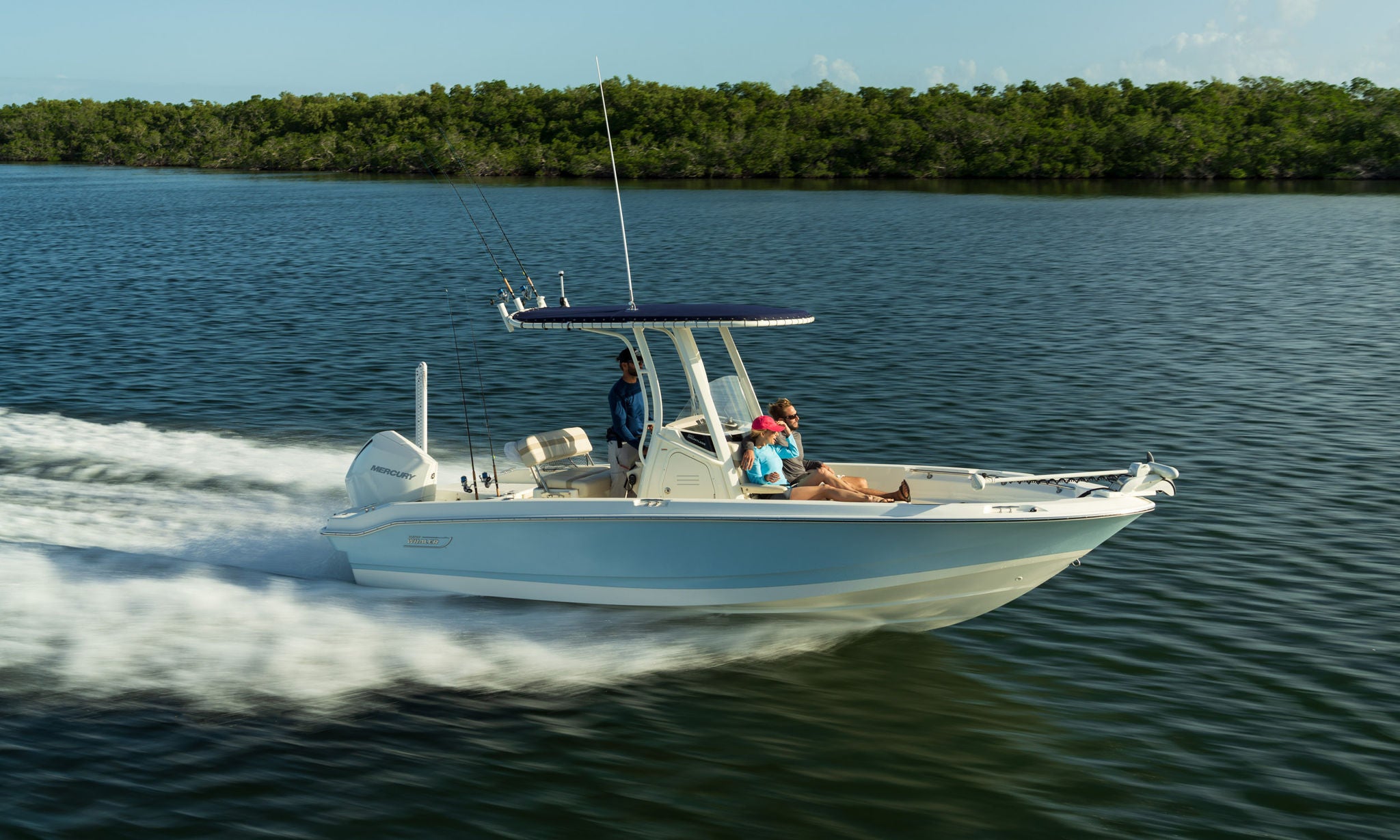
Protective With Antifouling Boat Bottom Paint
The information provided is for general informational purposes only. This information is based on the author’s personal experience and does not constitute financial or legal advice. You should consult with a professional and/or conduct your own independent research to verify any information in this post prior to making a financial decision or otherwise.
Prepare your Whaler for Spring with Fresh Bottom Paint
Why Antifouling Paint Belongs in Every Boat Owner’s Toolkit
It might not be glamorous, but applying antifouling paint is one of the smartest ways to protect your boat. If your vessel spends most of its time in the water, hull maintenance becomes more than just a cosmetic concern—it’s essential for performance, efficiency, and environmental responsibility.
The Hidden Menace: Biofouling Below the Waterline
Your hull might look smooth and clean from above, but below the surface, it’s prime real estate for marine hitchhikers. Algae, barnacles, slime, and mussels quickly latch on—and they’re not just an eyesore. This buildup, known as biofouling, can drag down your boat’s performance, jack up fuel costs, interfere with equipment, and even spread invasive species to new waters.
Why Antifouling Paint Makes a Difference
Extra Drag = Extra Fuel: Even a light coating of slime can increase fuel consumption by 10% or more. If barnacles take hold, expect that number to climb—possibly even double.
Structural Risks: Some organisms bore into wood hulls or cling stubbornly to fiberglass, causing damage over time and inviting costly repairs.
System Failures: Biofouling doesn’t stop at the hull—it can clog intakes, jam sensors, and mess with your cooling systems.
Ecological Impact: Unwanted organisms can hitch a ride to different regions, disrupting local ecosystems. A clean hull helps prevent that spread.
Antifouling paint forms a protective barrier that stops marine growth before it starts. It's not just about keeping your boat clean—it's about keeping it fast, fuel-efficient, and eco-friendly. Regular application reduces drag, preserves components, and ensures you're doing your part to keep marine environments healthy. These coatings gradually release biocides—chemicals that deter marine life from setting up shop. Different types of paint offer different benefits:
Ablative (Self-Polishing): This paint wears away slowly with use, revealing fresh biocide over time. Great for boats that are regularly in motion.
Hard (Non-Ablative): These hold their shape and release biocides more slowly. Ideal for high-speed vessels or boats that are hauled often.
Hybrid and Copper-Free: Newer formulations mix the benefits of both types—or skip copper entirely, using slick surfaces or alternative biocides for eco-friendlier results.
Choosing the right paint depends on your boat’s hull material, where you sail (salt, fresh, or brackish water), how often you use it, and how fast you like to go. When in doubt, ask a marine coatings expert.
DIY Boat Antifouling: What to Know Before You Grab a Paint Roller
Painting the bottom of your boat is doable with the right prep and safety measures. Here's how to tackle it like a pro:
1. Safety First
- Proper Gear: Use a respirator (not just a dust mask), safety goggles, and chemical-resistant gloves.
- Ventilation: Work outside if possible. If not, make sure you’ve got airflow.
- Prep the Area: Put down plastic or tarps to catch drips and dust. Follow local rules for disposal—many boatyards have strict requirements.
2. Gear Checklist
- Your chosen antifouling paint
- Scrapers and pressure washer
- Orbital sander with 80–120 grit paper
- Solvent wipes or degreaser
- Painter’s tape, rollers, brushes, mixing sticks
- Protective clothing and clean-up supplies
3. The Painting Process, Step by Step
- Haul Out and Clean: Get the boat out of the water and blast off grime with a pressure washer. Scrape off any stubborn stuff.
- Inspect the Hull: Look for dings, cracks, or blisters and patch them up with marine filler or epoxy.
- Sand for Adhesion: Scuff the entire surface lightly to give the new paint something to grip. Feather edges where old paint peeled.
- Clean the Surface: Vacuum up the dust, then wipe everything down with solvent or tack cloths.
- Tape Off: Mask off areas you don’t want painted—especially around the waterline.
- Mix Paint Thoroughly: Antifouling paint settles fast. Stir it like your paint job depends on it—because it does.
Apply the Paint:
- Follow the manufacturer’s instructions for temperature, humidity, and drying time.
- Use rollers for big areas and brushes for corners.
- Keep a “wet edge” to avoid lap marks.
- Don’t rush the recoating—let each layer dry fully.
Add Extra Protection Where It Counts: Consider a third coat on high-wear areas like the bow, keel, and rudder.
Tackle the Pad Spots: After the main job is done, have the yard lift the boat slightly so you can paint under the support pads.
Remove Tape at the Right Time: Peel it off before the final coat hardens completely to get crisp lines.
Let It Cure Before Launch: Give the paint time to fully dry before splashing back in. Launching too soon can mess up the finish and reduce protection.
When done right, antifouling keeps your boat faster, cleaner, and more efficient—while also doing a bit of good for marine ecosystems.
Visit our boating resources and maintenance page for more tips.
This website does not provide financial or legal advice. The information available on this website is provided for general informational and educational purposes only and is not a substitute for professional advice. You should consult with the appropriate professionals prior to making any financial decisions. YOUR USE OR RELIANCE ON ANY OF THE INFORMATION PROVIDED HEREIN IS SOLELY AT YOUR OWN RISK. UNDER NO CIRCUMSTANCE SHALL WE HAVE ANY LIABILITY TO YOU FOR ANY LOSS OR DAMAGE OF ANY KIND INCURRED AS A RESULT OF THE USE OR RELIANCE ON ANY INFORMATION PROVIDED.
Options and features mentioned subject to change. Please confirm availability of all accessories and equipment with an authorized Boston Whaler Dealer.