


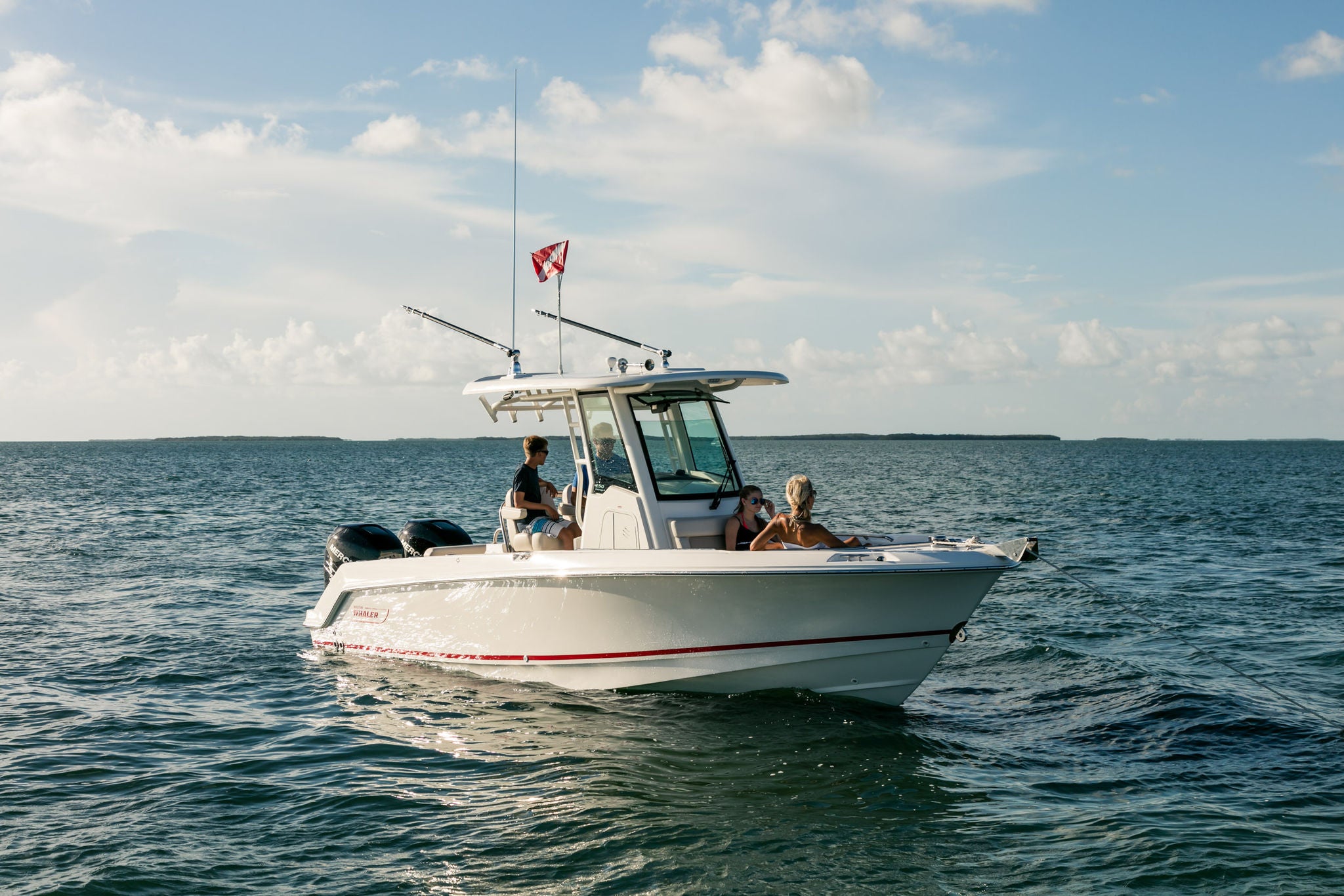
When Refinacing Your Boat Makes Sense
The information provided is for general informational purposes only. This information is based on the author’s personal experience and does not constitute financial or legal advice. You should consult with a professional and/or conduct your own independent research to verify any information in this post prior to making a financial decision or otherwise.
The Boat Is Still Perfect. The Loan? Maybe Not.
Buying a boat is exciting. Refinancing one? Not exactly the topic that gets discussed with much enthusiasm.
But after a few seasons of ownership, many boaters start wondering if the loan they signed years ago is still the best fit for today. Here are some of the most common questions that come up when owners begin taking a second look at their financing.
Boat Refinancing FAQ
Will refinancing lower my monthly payment?
It can.
For many boat owners, that's the primary reason they start looking into refinancing in the first place.
Depending on the loan structure, refinancing may allow for a lower monthly payment, which can free up room in the budget for everything else that comes with boat ownership—from fuel and maintenance to dockage and insurance.
How do I know if refinancing is worth exploring?
Ask yourself a simple question:
"When was the last time I looked at my boat loan?"
If the answer is "the day I bought the boat," it may be worth taking another look.
Refinancing isn't always the right move, but you'll never know if there are better options available unless you compare what's out there today to what you signed years ago.
Can I refinance an older boat?
In many cases, yes.
Marine lenders often consider factors such as the boat's age, condition, value, and loan amount. While every lender has different guidelines, refinancing options may be available even for boats that have been on the water for many years.
Will I have to get rid of my current boat?
Not at all.
This is one of the biggest misconceptions about refinancing.
You're not shopping for a different boat. You're not trading anything in. You're simply replacing the existing loan with a new one.
The boat stays exactly where it is—whether that's in your slip, on your trailer, or tied up behind your waterfront home.
What if my credit score is better now than when I bought the boat?
That's one of the most common reasons owners explore refinancing.
If your financial profile has improved since you purchased the boat, you may have access to financing options that weren't available before. Even modest improvements in credit can sometimes open new opportunities.
Can I refinance if I still owe a lot on the boat?
Possibly.
Every situation is different, which is why lenders look at factors such as the remaining balance, the vessel's value, credit history, and overall financial profile.
The amount you owe doesn't automatically prevent refinancing. The best way to know what's available is to review your specific situation with a marine financing specialist.
Is refinancing complicated?
Most boat owners are surprised to learn that it can be a fairly straightforward process.
Working with a marine finance specialist can simplify things because they help navigate the lender options, paperwork, and approval process on your behalf.
In many ways, it's less stressful than launching at a crowded boat ramp on a holiday weekend.
What's the biggest mistake boat owners make when it comes to refinancing?
Assuming it's not worth looking into.
Many owners spend years comparing fuel prices, insurance quotes, marina rates, and maintenance costs while never revisiting one of their largest boating expenses: their loan.
Even if you ultimately decide not to refinance, understanding your options can help you make a more informed financial decision.
Is there a "best time" to refinance a boat?
There's no magic season.
The best time is usually when something about your financial situation has changed—or when you're curious enough to see whether your current loan is still working in your favor.
Just as smart boaters occasionally check their charts, inspect their equipment, and review their safety gear, it can make sense to periodically review the financing behind one of their biggest recreational investments.
What's the first step?
Start with information.
Gather details about your current loan, think about what you'd like to accomplish, and explore what options may be available.
You don't need to commit to anything. Sometimes the most valuable thing you gain from the process is a clearer understanding of where you stand—and whether a better course may be available ahead.
What Are the Eligibility Requirements for Boat Refinancing?
Blue Water Finance works with a network of marine lenders, so the exact requirements vary by lender. However, most refinancing applications are evaluated using the same core factors.
The good news? You don't need to own a million-dollar yacht or have perfect credit to explore refinancing.
Most lenders will look at a combination of the following factors:
A Boat That Qualifies for Financing
The boat itself matters.
Lenders typically consider:
- The boat's age
- Current condition
- Market value
- Type of vessel
- Whether the boat has a clear title
Newer boats generally have more financing options available, but many lenders will refinance older vessels as well.
Sufficient Equity in the Boat
Just like a home mortgage, lenders want to understand how much the boat is worth compared to the amount you still owe.
In many cases, the boat's current value needs to support the refinance amount being requested. If the loan balance significantly exceeds the vessel's market value, refinancing options may become more limited.
Credit History
Credit is one of the biggest factors in any refinancing decision.
While every lender has different standards, lenders generally review:
- Credit score
- Payment history
- Outstanding debt
- Recent credit activity
The strongest financing options are often available to borrowers with established credit histories and a track record of on-time payments. However, some lenders offer programs for a wide range of credit profiles.
Verifiable Income
Lenders want to know that the loan can be repaid.
Applicants are often asked to provide:
- Employment information
- Income documentation
- Self-employment records, if applicable
- Information about other financial obligations
The goal is to confirm that the monthly payment fits comfortably within the borrower's overall financial picture.
Debt-to-Income Ratio
This is simply a measure of how much of your monthly income is already committed to other debts.
Even borrowers with strong credit can run into challenges if they are carrying a significant amount of existing debt. Lenders often evaluate debt-to-income ratio alongside credit score and income when making approval decisions.
Documentation About the Existing Loan
To refinance, lenders will typically want information about the loan you're replacing, including:
- Current loan balance
- Current lender
- Monthly payment amount
- Payoff information
This helps determine whether refinancing is feasible and what new loan options may be available.
Can You Get Approved If Your Credit Isn't Perfect?
Often, yes.
One advantage of working with a marine finance specialist like Blue Water Finance is access to multiple lending partners. Some lenders are more flexible than others when it comes to credit scores, boat age, and loan structure. Blue Water Finance specifically notes that financing options may be available across a wide range of credit profiles.
What's the Fastest Way to Find Out If You Qualify?
The simplest answer is to apply or pre-qualify.
Blue Water Finance's pre-qualification process typically reviews information such as the loan amount, down payment, income, and credit profile to estimate financing options before a full underwriting review. Final approval is always subject to lender review and additional documentation requirements.
Quick Answer
Most boat refinance approvals come down to five things:
- The boat's age and value
- Your credit profile
- Your income and employment history
- Your debt-to-income ratio
- The amount remaining on your current loan
If those pieces are reasonably strong, refinancing may be worth exploring—even if you've owned the boat for several years.
This website does not provide financial or legal advice. The information available on this website is provided for general informational and educational purposes only and is not a substitute for professional advice. You should consult with the appropriate professionals prior to making any financial decisions. YOUR USE OR RELIANCE ON ANY OF THE INFORMATION PROVIDED HEREIN IS SOLELY AT YOUR OWN RISK. UNDER NO CIRCUMSTANCE SHALL WE HAVE ANY LIABILITY TO YOU FOR ANY LOSS OR DAMAGE OF ANY KIND INCURRED AS A RESULT OF THE USE OR RELIANCE ON ANY INFORMATION PROVIDED.
Options and features mentioned subject to change. Please confirm availability of all accessories and equipment with an authorized Boston Whaler Dealer.