


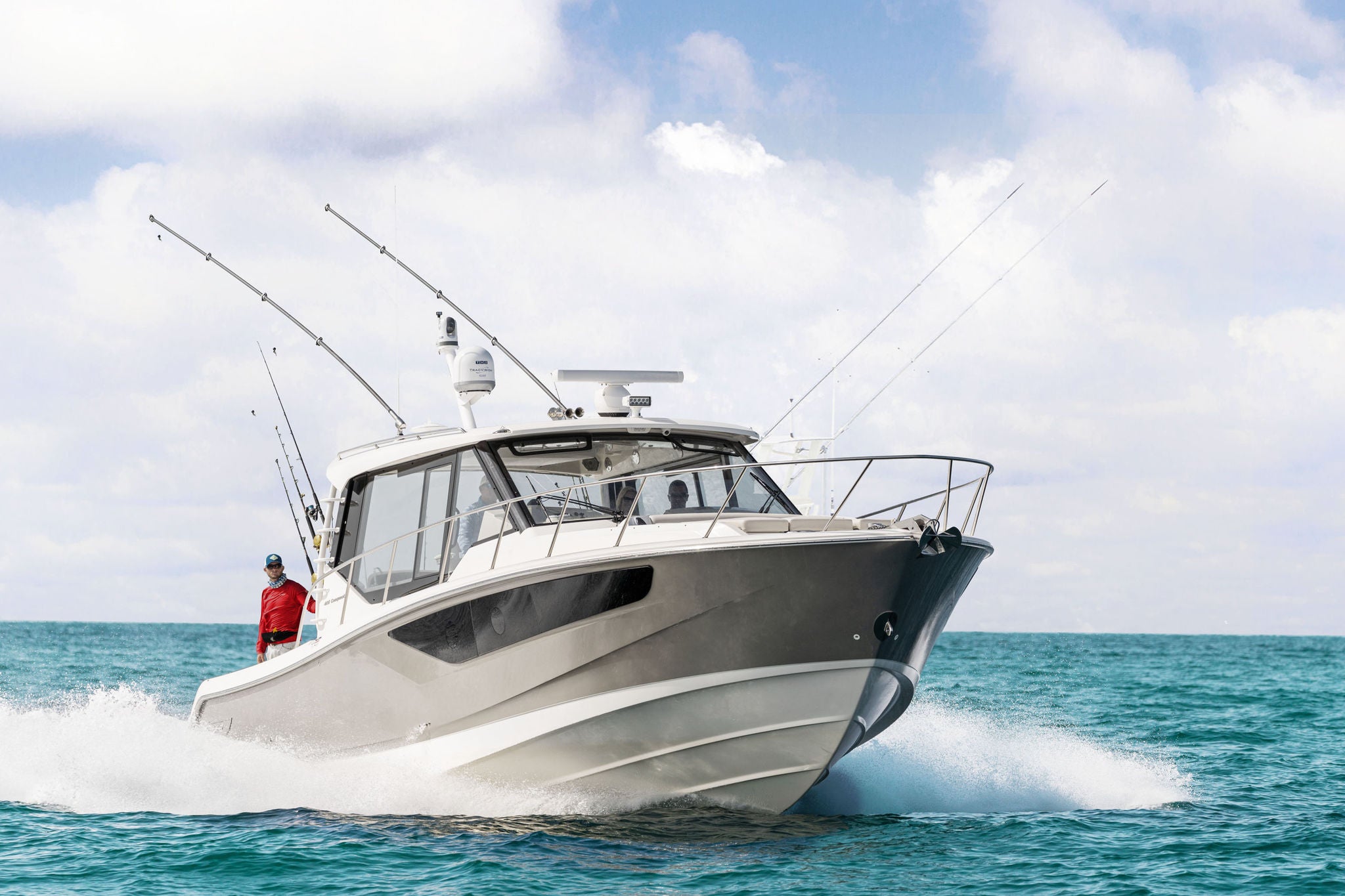
How to Store Your Whaler for Winter
The information provided is for general informational purposes only. This information is based on the author’s personal experience and does not constitute financial or legal advice. You should consult with a professional and/or conduct your own independent research to verify any information in this post prior to making a financial decision or otherwise.
The end of another boating season is never a welcome thought. But summer fun can only last for so long, and the colder weather of fall and winter is on its way. With that in mind, it’s time to think about getting your vessel ready for winter storage.
Whether you’re new to the process or you’ve prepped for storage 50 times, a little advice can be helpful for everyone. Here are the processes you should plan to complete this fall to ensure that your boat will be ready for action again in the spring.
Find a Storage Space
Most boats spend winter trailered on dry land – in a garage, in a driveway, at a dedicated storage yard or in an indoor storage facility. While storing a boat at your home is generally free of much cost, there are benefits to paying for storage at a commercial facility. They generally provide added security and often offer on-site maintenance services.
If you don’t have a trailer, some full-service marinas offer complete winter packages that include hauling, blocking, winterizing and shrink wrapping the boat. Pricing varies significantly, depending upon your location and the size of your boat.
Get the Water Out
Fully draining all water from your boat is a crucial step to keep all of its systems protected from damage and deterioration.
- Tilt all outboards, drain all tanks and sanitation systems, pull the boat’s drain plug(s) and elevate your boat’s bow slightly so that if any water that gets in, it will drain right out.
- Run livewells, washdowns and any other accessories that have pumps until all water is bled out of their lines. If necessary, blow out lines with compressed air and/or pump environmentally safe propylene glycol antifreeze through the lines.
- If your boat has freshwater plumbing, open all faucets with the pump running and keep it running until they all go dry. Next, close all faucets and add antifreeze to your water tank. Turn on the faucet farthest from your water tank and let it run until antifreeze comes out – then close it again. Repeat that process for all faucets so that all of your boat’s plumbing is protected.
- DO NOT drain your fuel tank as condensation can form in an empty tank and introduce water into your fuel supply. Instead leave treated fuel in your tank. Consult Mercury Marine’s “How to Store Your Boat for Winter” post for a more detailed description of this process.
Remove Delicate Materials
Cushions, canvas, curtains – basically anything soft should spend the offseason in a dry location, like your basement or a garage. Leaving these soft materials on your boat all winter could result in mold and mildew or at least a musty smell. Bringing them inside will extend the life of these boating accessories and keep them looking nice, as well.
While they’re not soft, this goes for boat batteries, as well. Rather than exposing your batteries to the harsh realities of an outdoor winter, you should consider keeping them in a well-ventilated garage or basement. A trickle charger or battery tender will help keep them charged and ready to go when you need them again in the spring.
Keep the Water Out (along with the Rodents)
Keeping your boat covered is the best way to keep water from letting water in over the winter. A garage will certainly do the trick, but if your boat is outside, it is imperative that your boat is either shrink-wrapped or covered with a weather-resistant cover with proper ventilation. Low-cost plastic tarps are not recommended for covering your boat as they tend to give out when facing heavy weather and they can impact your boat’s finish.
Lastly, if your boat will be stored in a location with active wildlife, you’ll want to take steps to keep mice and other small animals from establishing residency aboard your vessel. Basic deterrents such as mothballs, dryer sheets or over-the-counter rodent repellents should keep your boat free of these unwanted guests all winter long.
When it’s time to get back on the water, read our ultimate pre-launch boating checklist.
This website does not provide financial or legal advice. The information available on this website is provided for general informational and educational purposes only and is not a substitute for professional advice. You should consult with the appropriate professionals prior to making any financial decisions. YOUR USE OR RELIANCE ON ANY OF THE INFORMATION PROVIDED HEREIN IS SOLELY AT YOUR OWN RISK. UNDER NO CIRCUMSTANCE SHALL WE HAVE ANY LIABILITY TO YOU FOR ANY LOSS OR DAMAGE OF ANY KIND INCURRED AS A RESULT OF THE USE OR RELIANCE ON ANY INFORMATION PROVIDED.
Options and features mentioned subject to change. Please confirm availability of all accessories and equipment with an authorized Boston Whaler Dealer.