


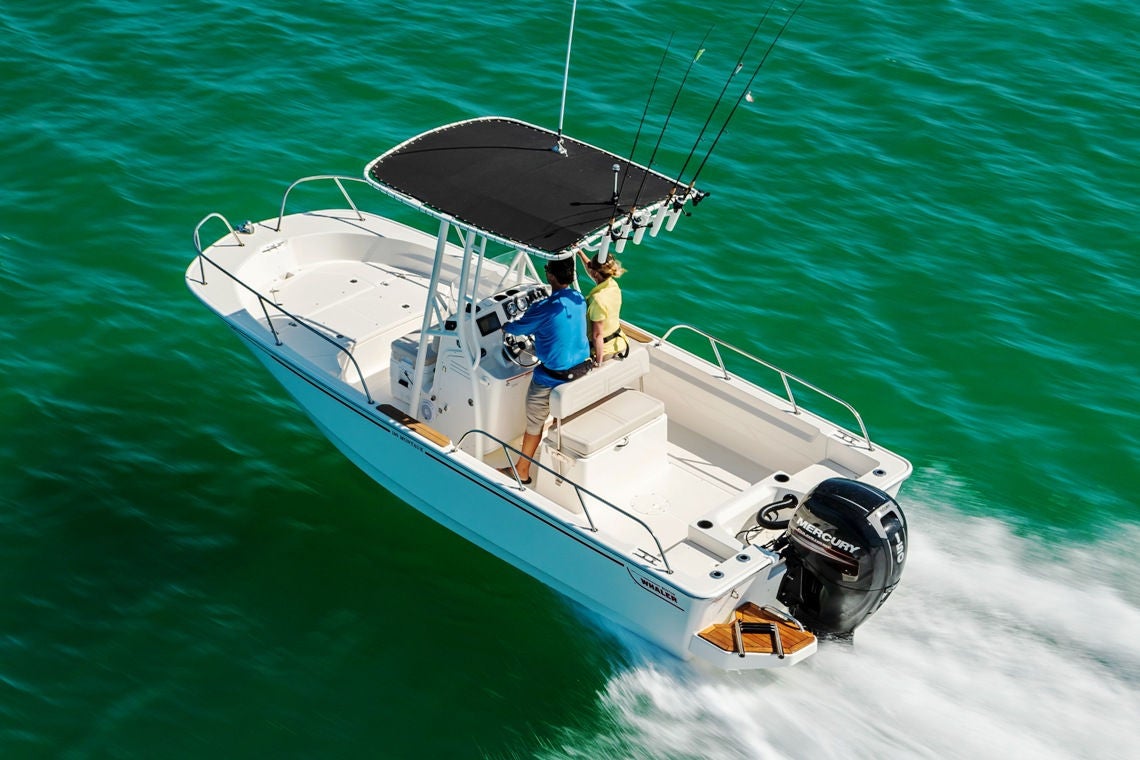
Pre-launch Outboard Motor Maintenance
The information provided is for general informational purposes only. This information is based on the author’s personal experience and does not constitute financial or legal advice. You should consult with a professional and/or conduct your own independent research to verify any information in this post prior to making a financial decision or otherwise.
Pre-Launch Outboard Motor Maintenance
15-Step Pre-Launch Guide for Outboard Motors
As winter fades and boating season begins, it’s time to give your outboard motor the attention it needs for peak performance. Follow this step-by-step guide to get your boat engine in top shape for your on-water adventures ahead.
1. Start with a Visual Inspection
- Remove the Cowling: Lift off the engine cover to access internal components.
- Check for Pests: Look for nests or chewed wires, as rodents can cause serious damage during storage.
- Inspect Electrical Connections: Ensure all wires, including spark plug connections, are secure and corrosion-free.
- Examine Hoses and Belts: Look for cracks, wear, or deterioration, replacing any damaged parts.
2. Assess Timing and Alternator Belts (Four-Stroke Engines)
- Timing Belt: Inspect for fraying or excessive wear, as a failing belt can cause engine failure.
- Alternator Belt: Ensure proper tension and check for signs of deterioration. Adjust or replace if necessary.
3. Test the Steering System
- Steering Movement: Turn the wheel fully in both directions to confirm smooth motion without stiffness.
- Lubricate Joints: Apply marine grease to moving parts to prevent friction and wear.
- Hydraulic System Check: Look for leaks and bleed the system if needed.
4. Confirm Trim and Tilt Functionality
- Fluid Levels: Verify that hydraulic fluid is at the proper level.
- Operational Test: Engage the trim and tilt functions to ensure smooth movement.
- Leak Inspection: Address any signs of fluid leakage promptly.
5. Secure the Outboard Motor
- Mounting Check: Confirm the motor is firmly secured to the transom.
- Inspect the Transom: Look for cracks or structural weaknesses that could impact safety.
6. Evaluate Sacrificial Anodes
- Locate and Examine: Check all anodes for corrosion.
- Replace if Needed: Swap out any anodes that are more than 50% worn to maintain protection against galvanic corrosion.
7. Check the Propeller
- Remove and Inspect: Look for dents, pitting, or bends that could reduce efficiency.
- Clear Debris: Ensure fishing line or other materials aren’t wrapped around the prop shaft.
- Apply Grease: Coat the shaft with marine grease before reinstalling the propeller.
8. Replace the Water Pump Impeller
- Check Service Schedule: Refer to the manual for recommended replacement intervals.
- Perform Replacement: If due, install a new impeller to maintain proper cooling and prevent overheating.
9. Examine the Fuel System
- Inspect Fuel Lines: Look for cracks or stiffness and replace if necessary.
- Check Fuel Tanks: Ensure tanks are free from corrosion or contamination.
- Replace Fuel Filters: Install fresh filters to keep debris out of the engine.
10. Run the Engine
- Use Flushing Muffs: Connect to a water source to safely run the motor.
- Start Up and Observe: Look for a steady tell-tale water stream, ensuring proper cooling.
- Listen for Issues: Watch for vibrations, warning lights, or unusual noises.
11. Clean and Protect Your Motor
- Wash Exterior: Use marine cleaners to remove dirt and salt buildup.
- Apply Protective Wax: Shield painted surfaces from UV exposure and corrosion.
- Cover the Motor: A breathable cover helps prevent environmental damage when not in use.
12. Inspect Battery and Electrical Systems
- Battery Check: Ensure its fully charged and holds a charge effectively.
- Clean Terminals: Remove corrosion and apply a protective coating.
- Test Electronics: Verify that lights, gauges, and other accessories are functioning properly.
13. Review Safety Gear
- Life Jackets: Confirm all flotation devices are in good condition and easily accessible.
- Fire Extinguishers: Ensure they are fully charged and within the service date.
- Signaling Devices: Test horns, whistles, and visual distress signals.
14. Update Paperwork
- Registration: Verify that boat registration and decals are up to date.
- Insurance Coverage: Check that your policy is active and provides adequate protection.
- Logbook Updates: Record maintenance activities and any repairs completed.
15. Conduct a Shakedown Cruise
- Trial Run: Take a short trip to test all systems before longer voyages.
- Performance Check: Note engine response, steering ease, and overall handling.
- Address Issues Early: Fix any minor problems before they become major headaches.
Read more pre-launch tips in our spring commissioning guide and set yourself up for a trouble-free boating season. Regular maintenance not only prevents unexpected breakdowns but also ensures your outboard motor runs efficiently for years to come.
To decommission, learn about post-season boat engine maintenance, or if you need professional assistance, reach out to your local Boston Whaler dealership for a referral.
This website does not provide financial or legal advice. The information available on this website is provided for general informational and educational purposes only and is not a substitute for professional advice. You should consult with the appropriate professionals prior to making any financial decisions. YOUR USE OR RELIANCE ON ANY OF THE INFORMATION PROVIDED HEREIN IS SOLELY AT YOUR OWN RISK. UNDER NO CIRCUMSTANCE SHALL WE HAVE ANY LIABILITY TO YOU FOR ANY LOSS OR DAMAGE OF ANY KIND INCURRED AS A RESULT OF THE USE OR RELIANCE ON ANY INFORMATION PROVIDED.
Options and features mentioned subject to change. Please confirm availability of all accessories and equipment with an authorized Boston Whaler Dealer.